Where This Work Began
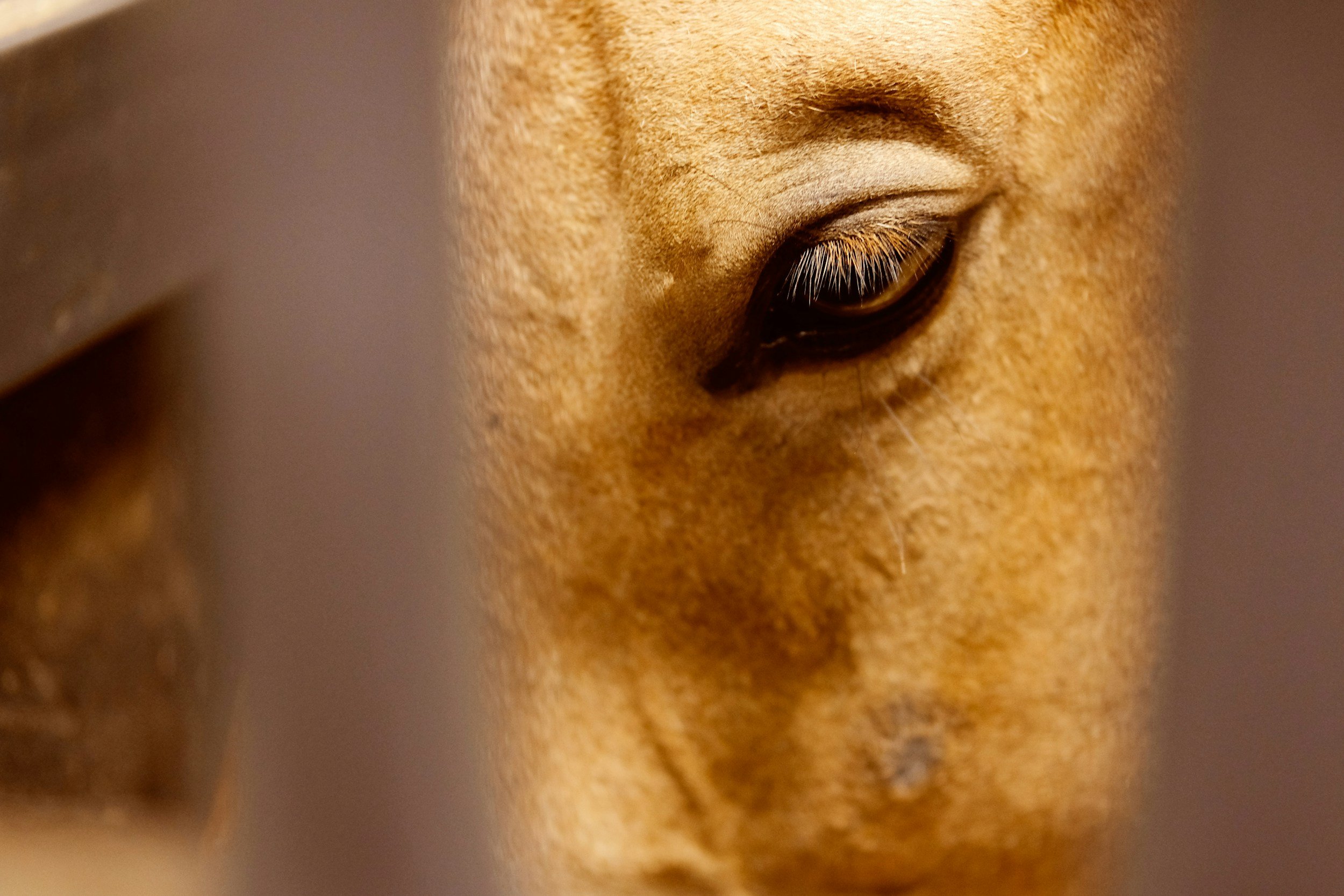
Beginning November 30, you'll start to see some changes on the Hope for Healing Facebook and Instagram pages. Before the first journal entry goes live this Sunday, I want to share a bit about how we got here. I've loved horses my whole life. As a child, I spent my evenings mucking a neighbor's stall and brushing a beautiful Quarter Horse named Honey. On Saturdays, the neighborhood kids lined up for riding lessons, hoping Honey would gallop home under the old apple tree—usually attempting to knock you off in the process. Those early years taught me responsibility, joy, and the quiet language of horses—long before I ever understood how deeply I would come to rely on that language. Life took me through a long season of unspoken trauma. I lived with Post-Traumatic Stress for decades after being assaulted during my military service. I didn't receive a diagnosis until 2005. For all those years, no one—myself included—had language for what I was carrying. When the diagnosis finally came, I immersed myself in learning everything I could about trauma. I discovered that people who held a close relationship with God often fared better in their healing. That realization opened a new path. During seminary, I completed Clinical Pastoral Education in a hospital and later through an equine therapy program in Colorado. I arrived skeptical… and left changed. I watched federal prison chaplains soften after a single day with a young horse. Something in that dusty corral awakened a question in me: Could healing beside a horse become a form of spiritual care?As my training deepened, I began to understand something important: pastoral care and spiritual care are not the same. Pastoral care brings Christ's comfort and the promises of Scripture to those who suffer. Spiritual care listens deeply, honors the wounds people carry, and helps them name the places inside that hurt. Horses excel at spiritual care. They hear what the soul whispers before the mouth speaks. And Christ meets us in that space—pastorally—through His Word and His presence. This realization reshaped my entire ministry. I sought out barns to learn more—care, feeding, herd dynamics, behavior, what it means to be trustworthy in the presence of a thousand-pound creature who can read your heartbeat. I worked with Veterans carrying trauma of their own. I created the Spirit Warrior program and wrote grants to support the work. Some barns weren't healthy places; others were stepping stones. Through each one, the horses and the people around them formed me. Then came more life changes: a fall that destroyed my rotator cuff, months of physical therapy, and finally a diagnosis of metastatic breast cancer to my bone and lung. My oncologist told me riding was no longer possible. My horses moved closer to home, and while I could no longer work with the herd as intensely as before, I continued listening—to Veterans, to neighbors, to anyone whose path crossed mine and whose soul needed space. So I asked AI a question: "Can we build a meditative journal that does both?" Together, we created a meditation journal rooted in Scripture, the Lutheran Confessions, and equine-guided healing—where the horse is the teacher and Christ is the Healer. Thank you for walking with me—through faith, trauma, healing, horses, and diagnoses that make life an unpredictable but grace-filled journey.